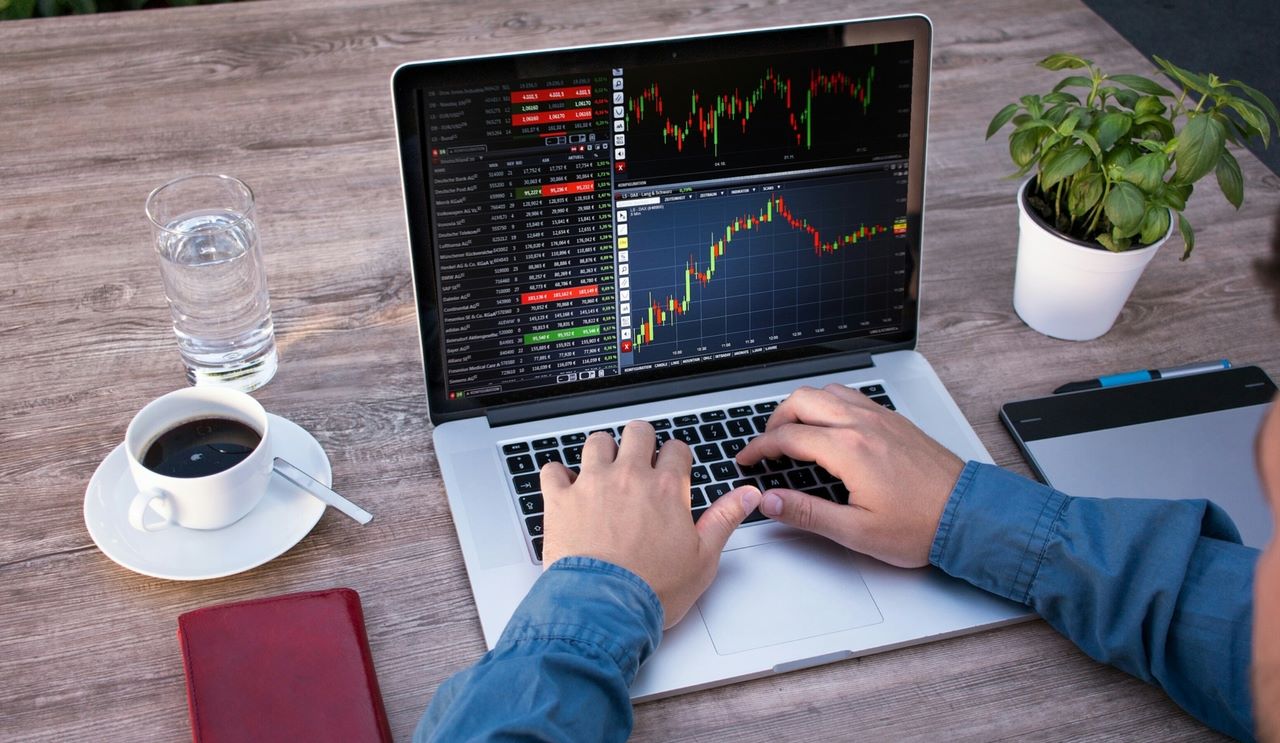
In the rapidly evolving world of financial markets, information has become one of the most valuable assets. Traders no longer rely solely on technical indicators or historical price data; they now seek to interpret the emotional context behind news events to make smarter decisions. This shift has given rise to sentiment analysis as a fundamental tool in news trading strategies. By leveraging advanced technologies to parse public opinion and emotional signals from vast amounts of text, sentiment analysis helps traders gain a competitive edge in markets that often react instantly to headlines and social media chatter.
What Is Sentiment Analysis?
Sentiment analysis refers to the computational process of identifying and categorizing opinions expressed in textual data. It determines whether the underlying sentiment is positive, negative, or neutral. In the context of financial markets, this means analyzing news articles, social media posts, earnings call transcripts, or any written content that could influence investor behavior.
This technique relies on natural language processing (NLP), machine learning, and linguistics to interpret context and emotion. In the early days, sentiment analysis was limited by simple keyword matching. Today, however, sophisticated models can understand sarcasm, nuanced tone, and even cultural context—factors that play crucial roles in how market participants perceive information.
Why Sentiment Matters in Financial Markets
In financial markets, perception often moves prices as much as fundamentals do. A seemingly minor regulatory announcement may trigger a sell-off if investors sense negativity, while optimistic consumer sentiment might buoy markets even amid weak economic data. Sentiment analysis quantifies these emotional reactions and translates them into actionable signals.
For example, a spike in negative sentiment on social platforms following a company’s earnings release could foreshadow downward price pressure. Conversely, growing positive sentiment about a new product launch might encourage traders to enter long positions ahead of broader market recognition.
Integration with News Trading Strategies
News trading involves making investment decisions based on news events and data releases. This strategy requires not only timely access to information but also the ability to interpret it effectively. Tools such as sentiment analysis software have become central to executing news trading strategies.
One prominent platform that integrates cutting-edge sentiment analysis for traders is https://dailynewstrading.com/. By offering real-time sentiment indicators derived from multiple data sources, traders using this platform can assess market mood as events unfold.
Sentiment analysis enhances news trading by filtering out noise and emphasizing meaningful emotional shifts. This allows traders to react promptly to relevant information rather than being overwhelmed by the sheer volume of incoming data.
Sources of Sentiment Data
Sentiment data can be gathered from a variety of sources, each offering unique insights into market mood:
-
Mainstream News Outlets: Established financial news websites provide well-researched articles that shape institutional sentiment.
-
Social Media Platforms: Twitter, Reddit, and StockTwits can signal retail investor sentiment, often ahead of traditional news channels.
-
Blogs and Forums: Niche blogs or forums may highlight emerging trends before they reach the broader market.
These diverse sources feed into sentiment analysis algorithms, which assign scores and identify trends that may influence trading decisions.

Challenges of Sentiment Analysis
Despite its benefits, sentiment analysis is not without challenges. Language is inherently complex, and accurately interpreting sentiment requires context-awareness that even advanced models sometimes struggle with. Irony, sarcasm, and market-specific jargon can skew results if not properly accounted for.
Moreover, sentiment signals must be validated against market reactions. A sudden burst of positive sentiment doesn’t always lead to price increases, especially if the source lacks credibility or is manipulated by coordinated efforts to sway market perception.
The Human Element in Sentiment Interpretation
While machines excel at processing large datasets, human judgment remains essential in sentiment-driven trading. Experienced traders can discern subtle cues that algorithms might overlook—for example, understanding the implications of geopolitical developments or anticipating how central bank commentary might influence sentiment differently than standard news reports.
Future Trends in Sentiment-Driven Trading
As artificial intelligence continues to evolve, sentiment analysis is expected to become even more integral to news trading. Predictive models will increasingly incorporate emotional intelligence, allowing for more nuanced responses to complex narratives in global markets.
Daily news trading communities and platforms dedicated to these approaches are expanding, with more traders recognizing that sentiment analysis is not just a technical add-on but a strategic necessity in a world where markets move at the speed of information.
In conclusion, sentiment analysis transforms raw textual data into meaningful insights that drive market behavior. By combining cutting-edge technology with contextual understanding, sentiment-driven news trading empowers investors to navigate financial markets with greater precision and confidence.